January 19, 2026
Water heaters are essential appliances in households, providing hot water for daily activities such as bathing, cleaning, and cooking. They also play a crucial role in maintaining hygiene, comfort, and energy efficiency. Choosing and installing a new water heater involves a variety of considerations to ensure it meets your needs efficiently and safely. This article outlines key factors to consider before undertaking a water heater installation.
Choosing the Right Type of Water Heater
One of the first decisions you will need to make during a water heater installation is the type of unit to install. Traditionally, tank and tankless water heaters are the most common options. Tank water heaters store a fixed amount of water that is continuously heated, while tankless models heat water on demand, providing hot water only when needed.
Understanding the Pros and Cons of Tankless Water Heaters
Tankless water heaters heat water only when it’s needed, delivering hot water on demand rather than storing it in a tank. This design makes them an energy-efficient and space-saving option, and they typically last longer than traditional tank models. Additionally, they may struggle to keep up if multiple hot water sources are used at the same time.
Understanding the Pros and Cons of Water Heater Tanks
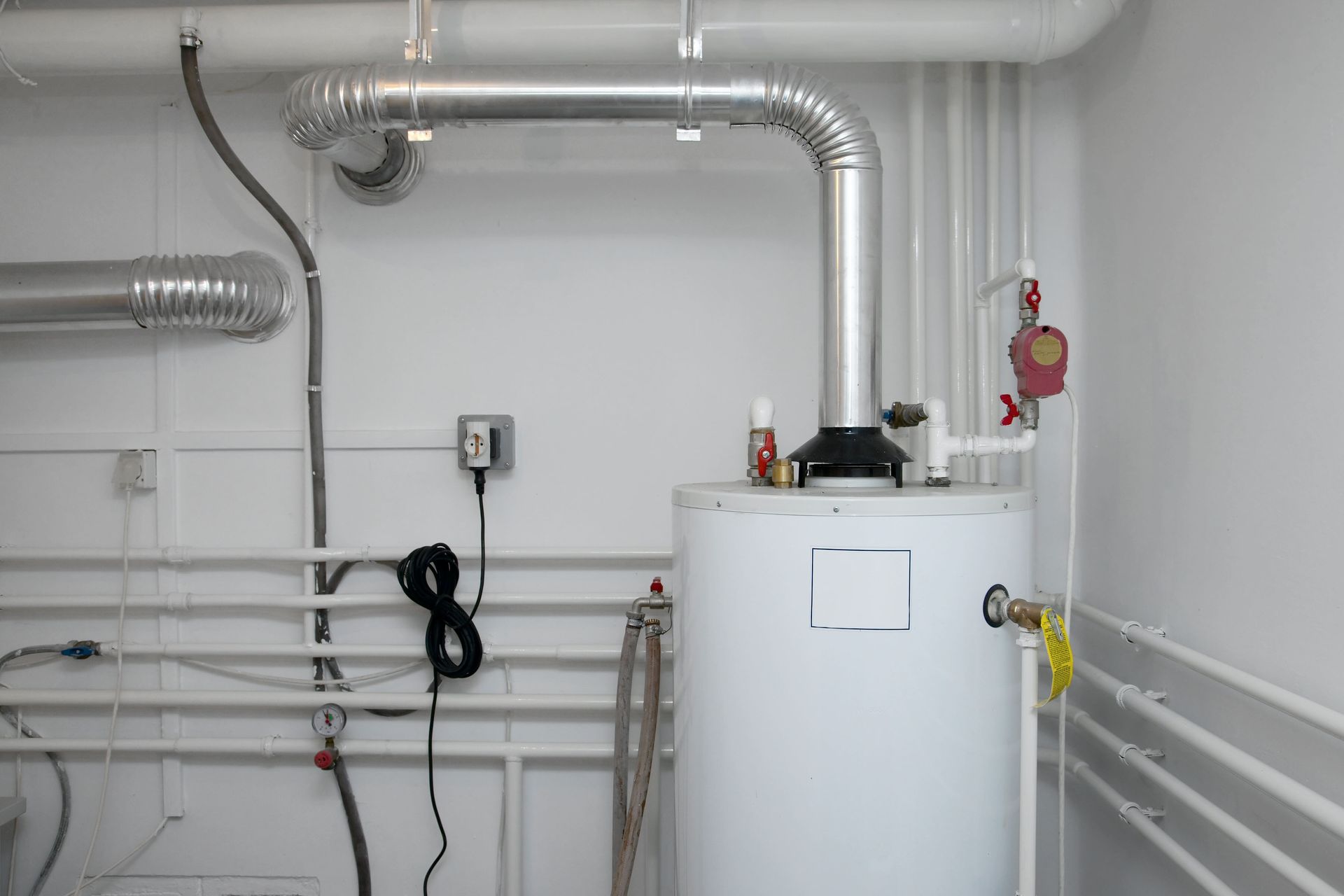
Tank water heaters store a set amount of hot water, making them a reliable and affordable choice for many households. They are generally less expensive to install and easier to maintain, and they can supply hot water to several fixtures simultaneously until the tank is depleted. On the downside, once the stored hot water runs out, users must wait for it to reheat. These systems also take up more space, lose energy while maintaining water temperature, and tend to have a shorter lifespan than tankless units.
Determining Water Heater Capacity and Size
To determine the appropriate capacity, consider both your household size and your hot water usage patterns. According to This Old House, smaller homes typically need a 40-gallon water heater tank, with both capacity and cost rising as household size increases. Choosing a water heater that can meet peak demand ensures you won’t run out of hot water during busy periods.
It's crucial to evaluate the space available for installation, as this influences both the type and size of the water heater you select. Tankless models are often more compact and suitable for areas with limited space. Conversely, traditional tank units require substantial floor space and clearance for maintenance activities. Proper planning during a water heater installation helps avoid costly relocation or resizing issues later.
When considering future needs, account for potential changes in household size or hot water usage. Understanding the flow rate for tankless heaters ensures sufficient hot water at multiple points of use simultaneously. Selecting a model with slightly higher capacity than current needs can prevent premature replacement and provide flexibility for future household changes.
Evaluating Energy Efficiency and Cost
Energy efficiency is a crucial factor, impacting both the environmental footprint and operating costs of your water heater. The Energy Factor (EF) rating expresses the unit’s efficiency, with higher ratings indicating better energy conversion and savings. Selecting a model with a higher EF rating can reduce long-term utility costs and environmental impact.
While high-efficiency models may have a higher initial cost, they offer long-term savings through reduced energy bills. Calculating both short-term and long-term costs helps in making a well-informed decision that balances upfront investment with future financial benefits. Available rebates and incentives for energy-efficient appliances can further offset initial expenses.
Aside from purchase and installation costs, consider ongoing operating costs, which include energy consumption and potential repair expenses. Understanding typical operating costs for different types of water heaters helps estimate annual expenses. Comparing these costs allows homeowners to make financially sound choices without compromising comfort or efficiency. Incorporating energy-saving features during a water heater installation can further reduce costs and improve long-term efficiency.
Another consideration is the impact of insulation and water usage habits on efficiency. Adding a water heater blanket or insulating hot water pipes can improve energy efficiency and reduce utility bills. Similarly, low-flow showerheads and faucets can help conserve hot water, maximizing the effectiveness of your new water heater.
Planning for Installation Requirements
Proper installation is essential for the safety and optimal performance of your water heater. Hiring a professional installer ensures compliance with local codes and reduces the risk of incorrect setup. Permitting and adherence to local codes vary by location, affecting the installation process and requirements.
Additional considerations include the proximity of the water heater to main water lines, drainage for potential leaks, and accessibility for future maintenance. Planning the installation site carefully reduces future headaches and ensures seamless operation over the unit’s lifespan.
For homes with multiple bathrooms or high hot water demand, consider installing a recirculation system. This system ensures hot water reaches fixtures quickly without wasting energy, improving convenience and efficiency.
Understanding Maintenance and Lifespan
Regular maintenance is key to prolonging the lifespan and maximizing efficiency. Tasks such as periodic cleaning and sediment removal prevent buildup that can hamper performance. A well-maintained unit not only lasts longer but also operates more efficiently, saving on energy costs.
The manufacturer’s warranty is an important consideration, offering assurance against defects and potential failures. Understanding the warranty terms and duration helps predict potential repair costs and coverage. Expected lifespan varies among different types of water heaters, influencing replacement timing and planning.
Access to replacement parts is another factor affecting maintenance and repair ease. Availability of parts ensures quick repair, minimizing downtime and inconvenience. Scheduling regular maintenance checks prevents costly repairs and extends the unit’s operational life, enhancing reliability and performance for years to come.
Homeowners should also monitor water quality. Hard water can cause mineral buildup in the tank and pipes, reducing efficiency and lifespan, and may lead to corrosion or unpleasant odors. Installing a water softener or conducting periodic flushing of the water heater can mitigate these issues, ensuring optimal performance and prolonging the appliance’s overall durability.
Ensuring Safety and Compliance
Safety is paramount when dealing with water heaters, considering potential hazards like pressure buildup and gas leaks. Pressure and temperature relief valves are essential components, preventing excessive pressure and overheating. Regular testing of these valves ensures they function correctly, safeguarding against accidents.
Particularly for gas water heaters, risks associated with gas leaks and carbon monoxide production require careful attention. Installing detectors and ensuring proper ventilation significantly reduces these risks. Anti-scald measures, such as tempered mixing valves, protect against burns and maintain safe water temperatures. In seismic zones, earthquake strapping prevents damage during tremors, while a proper distance from flammable materials reduces fire risks.
By adhering to these safety measures, homeowners can enjoy a reliable hot water supply while minimizing hazards to their family and property. Additionally, checking for leaks and monitoring the unit for unusual noises or smells can prevent small issues from turning into major problems.
Installing a water heater is a significant investment that requires careful planning and research. By considering the type, capacity, energy efficiency, installation requirements, maintenance, and safety factors, you can select a water heater that fits your needs and budget. Ensuring proper installation and maintenance will contribute to the longevity and optimal performance of your water heater, providing a consistent hot water supply and peace of mind. Contact Top Dog Plumbing LLC for water heater installation and ensure that your home enjoys efficient, safe, and reliable hot water today.