May 8, 2026
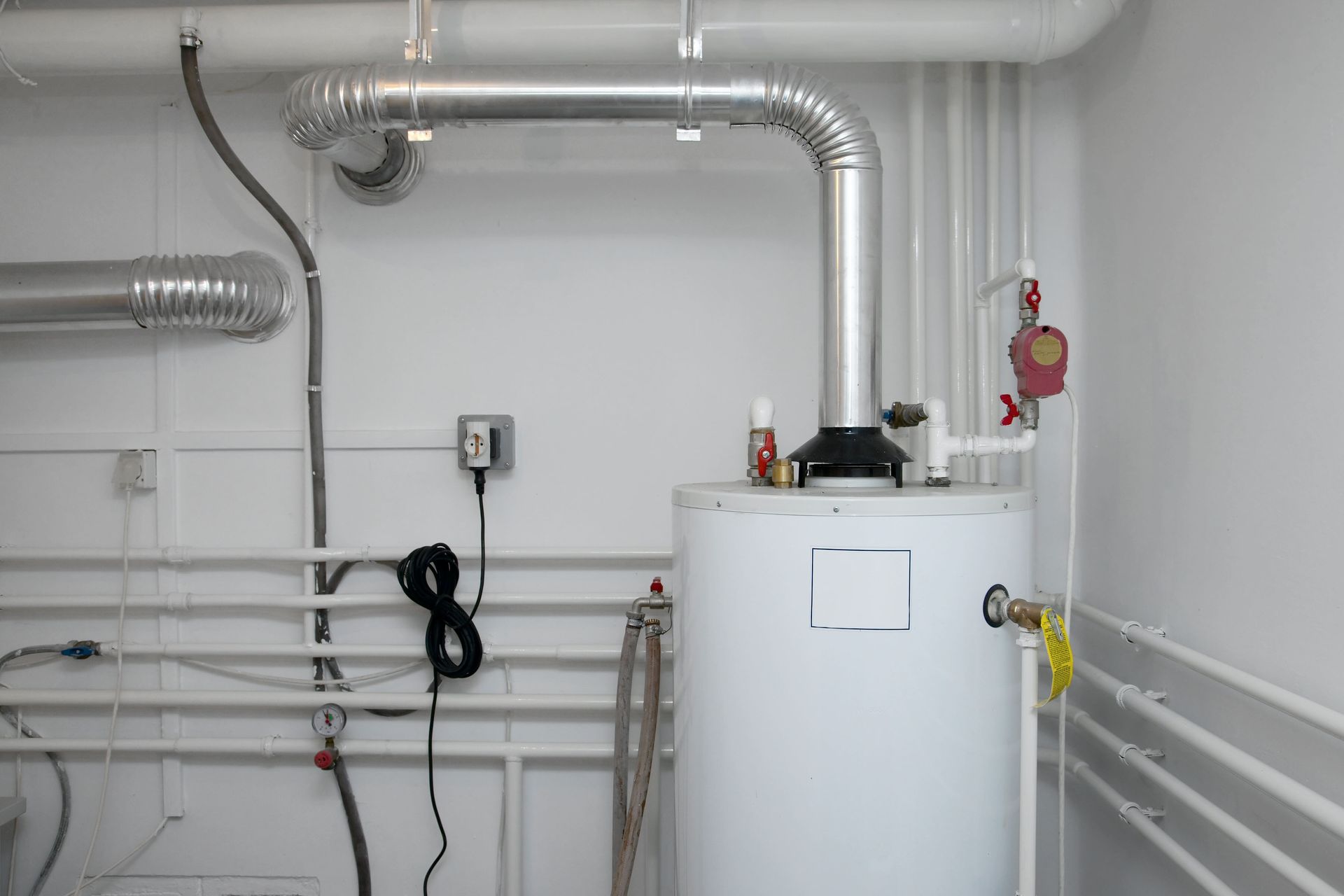
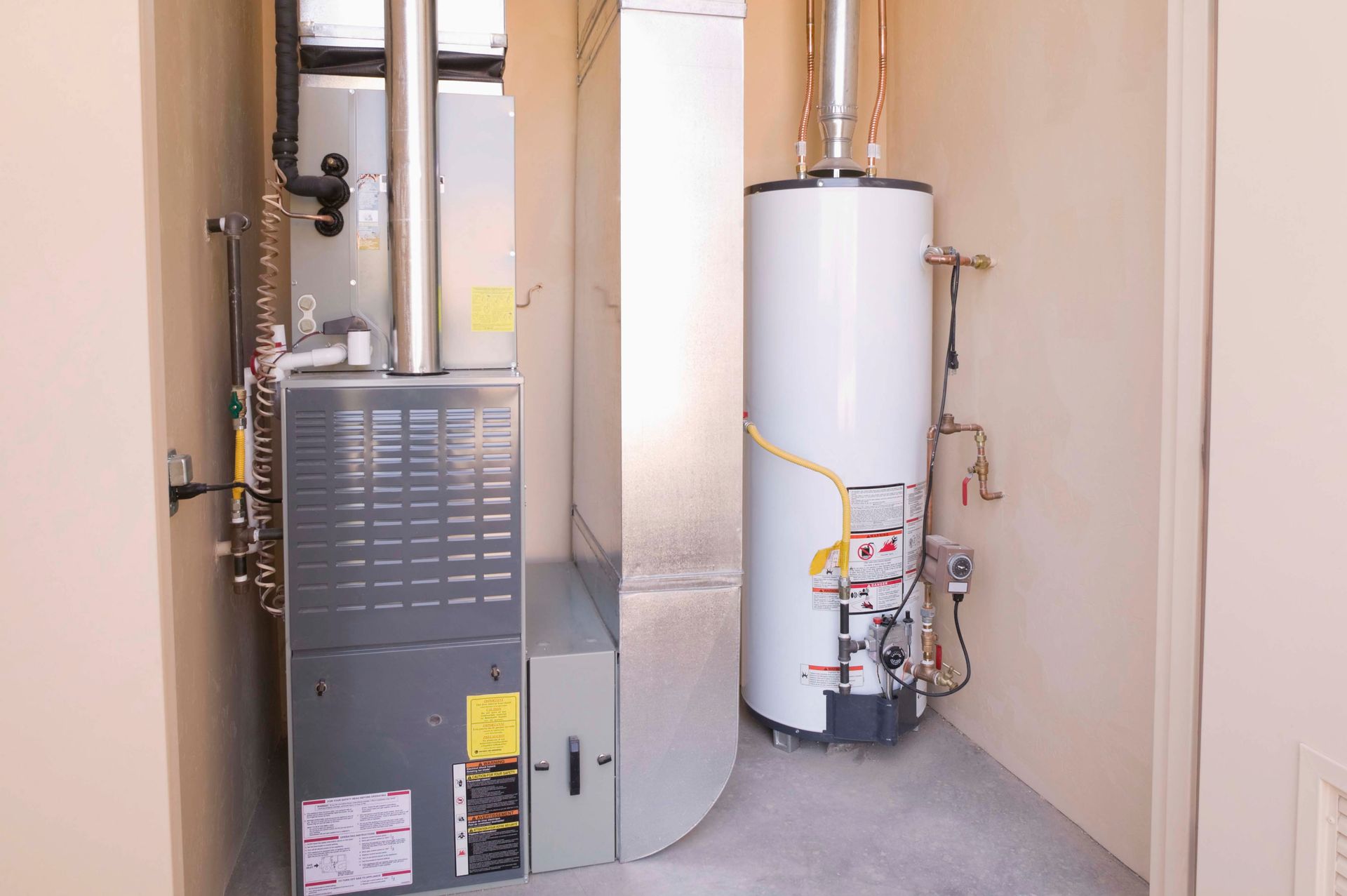
The modern home functions as a complex ecosystem of interconnected systems, all working in harmony to provide the comfort and convenience that we often take for granted. Among these essential components, few are as vital to our daily routines as the equipment responsible for providing hot water. From the moment we wake up and step into a warm shower to the late-evening chores of washing dishes or laundering clothes, the quiet presence of a functioning water heater is essential for maintaining a high standard of living. However, because these units are typically tucked away in basements, closets, or utility rooms, they are frequently overlooked until a significant problem arises. Understanding the subtle indicators of a system in decline can save a homeowner from the sudden shock of a cold shower or the extensive damage caused by an unexpected leak. Being proactive involves more than just reacting to total failure; it requires an awareness of how these appliances age and the specific signals they send when their operational life is drawing to a close. By paying close attention to the performance and physical condition of your plumbing infrastructure, you can make informed decisions that protect both your home and your peace of mind.
Identifying Unusual Auditory Disturbances and Internal Rumbling
One of the most common and often startling indicators of a system in distress is the emergence of strange noises emanating from the utility area. A healthy unit should operate with a relatively low level of noise, producing only a soft hum or the sound of water movement. However, as time passes, it is common for minerals found in the local supply to settle at the bottom of the tank. This accumulation of sediment creates a thick layer that separates the burner or heating element from the water itself. When the unit attempts to heat the liquid, the trapped moisture beneath the sediment layer begins to boil, creating a series of popping, banging, or rumbling sounds. This phenomenon is frequently referred to as kettling, as it mimics the sound of a boiling kettle on a stove. The presence of these sounds inside the water heater often points to a loss of efficiency, as the unit must work much harder and stay on longer to penetrate the mineral barrier and reach the thermostat's set temperature.
The ongoing strain caused by sediment buildup does more than just increase energy consumption; it also causes physical fatigue to the metal structure. As the bottom of the tank is subjected to intense heat for extended periods, the metal expands and contracts more aggressively than it was designed to handle. Over a long period, this repeated thermal stress can lead to small fractures or weaknesses in the tank's lining. Furthermore, the hardened minerals can become quite heavy, putting additional physical pressure on the internal components. While some homeowners attempt to remedy this through routine flushing of the tank, there comes a point where the sediment has become so calcified and the metal so fatigued that the noise becomes a permanent fixture of the appliance's operation.
Monitoring Changes in Water Clarity and Quality
The quality of the water flowing through your pipes serves as a direct window into the internal health of your plumbing appliances. Under normal circumstances, the liquid should be clear, odorless, and free of any visible particulates. If you begin to notice a brownish, yellowish, or reddish tint in the hot water specifically, it is a strong indication that corrosion is taking place within the storage tank. This discoloration is usually the result of the sacrificial anode rod—a component designed to attract corrosion away from the tank walls—reaching the end of its life. Once this protective element is fully consumed, the oxidation process begins to attack the steel tank itself. The integrity of your water heater can be measured by the purity of the output; when rust starts to enter the stream, it means the metal is literally dissolving from the inside out, which is a process that cannot be reversed through simple maintenance or cleaning.
Observing Moisture Accumulation and External Leaks
Visual inspections of the area surrounding your plumbing equipment are essential for early detection of structural breaches. Finding moisture or puddles at the base of the water heater is perhaps the most urgent warning sign a homeowner can encounter. While some moisture may be attributed to simple condensation or a loose connection at a pipe fitting, a consistent dampness or a growing pool of water often indicates a crack in the internal tank. Because metal expands as it heats up, small fractures that are invisible when the unit is cold can open up and allow liquid to escape during the heating cycle. These fractures are the result of many years of thermal expansion and contraction, as well as the aforementioned corrosive forces that eat away at the steel. Even a very small drip should be treated with extreme caution, as the internal pressure of the system can turn a minor crack into a major flood without any further warning.
Evaluating Inconsistency in Temperature and Heat Retention
A primary function of any heating appliance is to provide a consistent and predictable output. When the performance of a water heater typically declines, one of the most noticeable symptoms is a loss of heat or a significant decrease in the duration of hot water availability. You might find that the morning shower becomes lukewarm much faster than it used to, or that the system struggles to recover after a single load of laundry. This loss of capacity often relates to the accumulation of sediment mentioned previously. As the layer of minerals grows thicker, it displaces the volume of water the tank can hold while simultaneously insulating the water from the heat source. This means you are heating less water more slowly, leading to a frustrating experience for everyone in the household as they compete for a dwindling supply of warmth.
Deciding Between Continued Repairs and Professional Replacement
When faced with multiple signs of failure, homeowners must often decide whether to invest in a repair or to opt for a completely new system. This decision involves weighing the current condition of the unit against the potential for future issues and the efficiency of modern technology. According to This Old House, homeowners should seriously evaluate a replacement if the required restoration of a water heater reaches a level of expense that is more than half of the amount needed for a new installation. Making this choice requires a realistic look at the overall health of the appliance; fixing one small leak or replacing a single heating element may only be a temporary solution if the tank itself is heavily corroded or filled with calcified sediment. By following this guideline, you can avoid the trap of sinking money into a system that is fundamentally compromised and instead invest in a solution that provides long-term stability and improved energy performance for your home.
Maintaining the functionality and longevity of your water heater requires vigilance and a willingness to act when the signs of wear become apparent. If you are ready for a reliable plumbing system that provides consistent comfort, contact us at Top Dog Plumbing LLC today. We will help you ensure your home remains a sanctuary of warmth and convenience by providing the professional guidance and service necessary to keep your essential systems running smoothly for years to come.