March 16, 2026
This article provides an in-depth guide to upgrading your water heater, enhancing efficiency, and understanding the available options for a successful upgrade.
Understanding the Basics of Water Heater Systems
Water heaters come in various configurations, each with its distinct advantages and disadvantages. Traditional tank water heaters are the most common, known for storing large amounts of hot water readily available on demand. Tankless water heaters, on the other hand, heat water instantaneously and are becoming increasingly popular due to their energy efficiency and compact size. Innovative designs like solar water heaters use the sun's energy, offering a green alternative, while heat pump water heaters use electricity to move heat from one place to another instead of generating heat directly. Understanding these differences is crucial for choosing the right type for your home.
Learning About Components and Their Functions
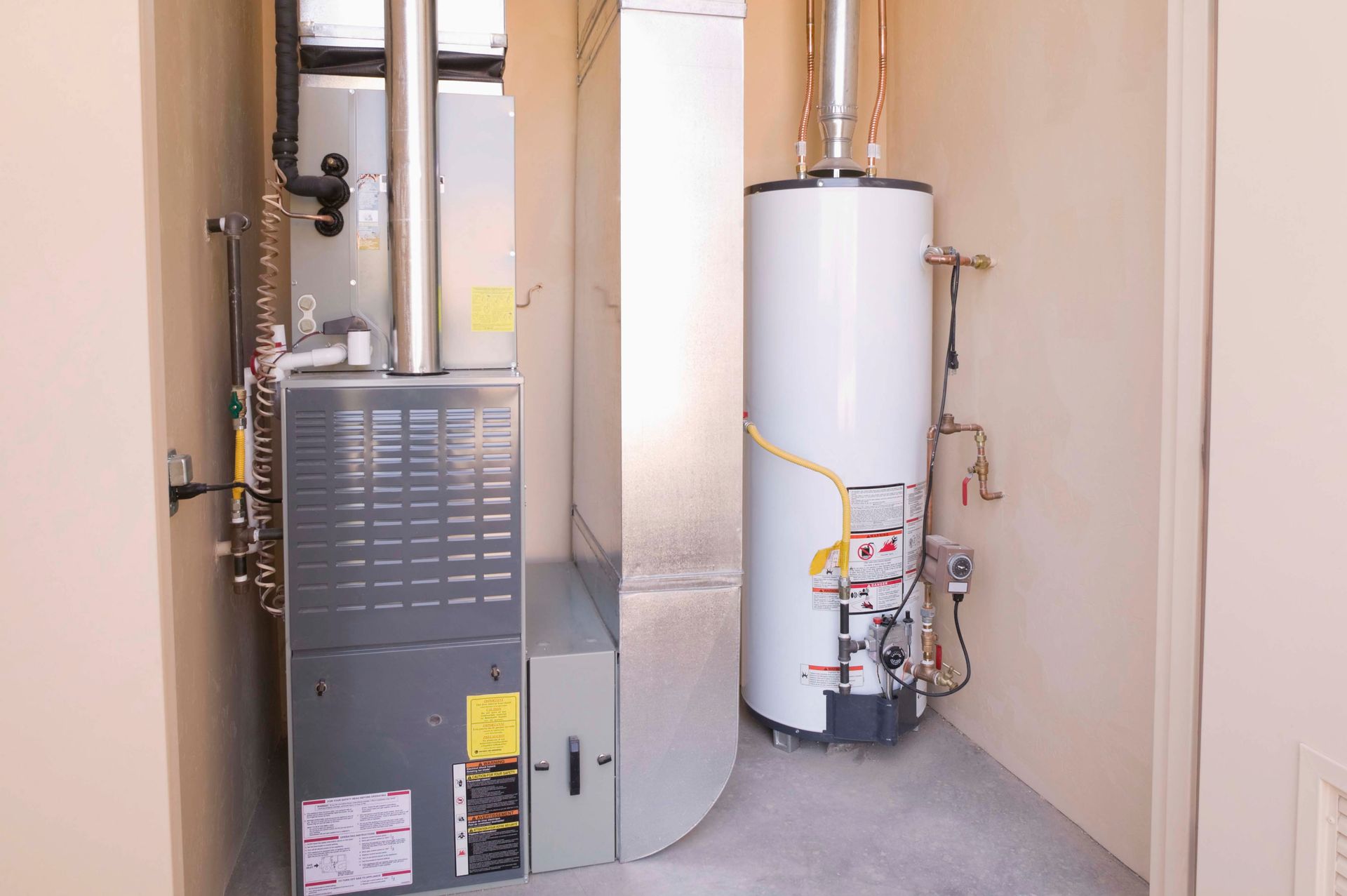
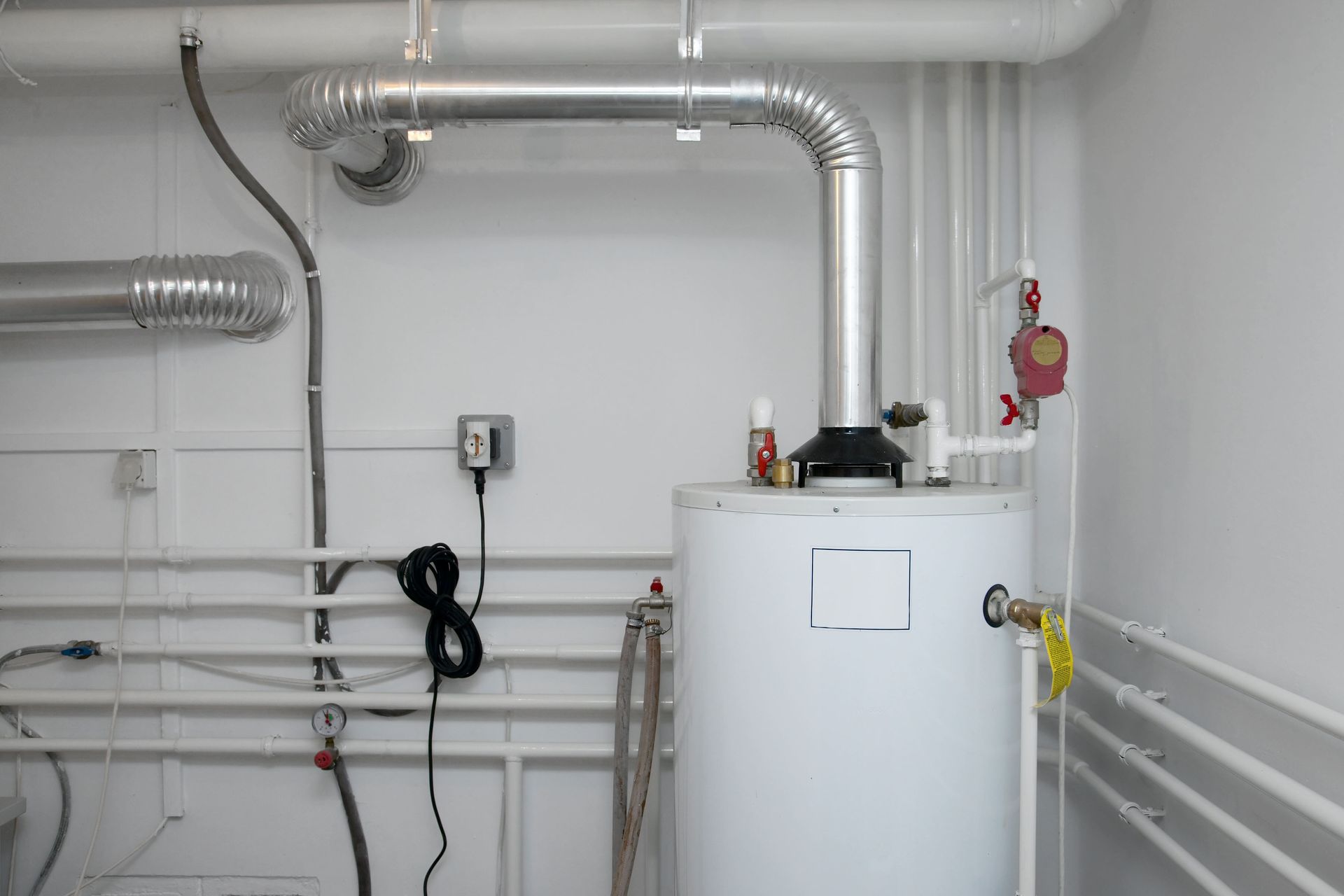
A water heater comprises several key components that work together to deliver hot water efficiently. The tank, found in traditional systems, stores and heats the water using electric or gas burners. Tankless systems primarily use a heat exchanger and a sensor that detects water flow to initiate the heating process. Other critical components include thermostats, which regulate the water's temperature, and valves for pressure control and drainage. Knowing these elements helps in diagnosing potential issues and performing routine maintenance correctly.
Taking Lifespan and Efficiency Into Account
The lifespan and efficiency of a water heater are important factors influencing the decision to upgrade. Typically, traditional tank water heaters last about 10 to 15 years, while tankless models can run efficiently for over 20 years with proper maintenance, according to industry experts. According to ENERGY STAR, reports that certified models can significantly improve efficiency, with savings up to 55% depending on the system type, benefiting both the environment and utility bills. The choice between longevity and upfront cost savings can be a pivotal consideration for homeowners. Recognizing the signs of decreased efficiency is key to ensuring timely upgrades.
Existing Water Heaters and Their Potential Issues
Water heaters, over time, can develop various issues that suggest the need for replacement or repair. Sediment buildup within the tank can reduce efficiency and even cause damage to the tank itself. Corrosion and rust often indicate the end of a water heater's operational life, resulting in unwanted leaks and water damage. Fluctuating water temperature and strange noises are also common indicators that an upgrade may be necessary. Addressing these issues promptly ensures continued, efficient hot water access.
Discussing Energy Sources and Their Impacts
Energy source selection plays a significant role in the performance and sustainability of a water heating system. Natural gas heaters typically heat water faster and at lower operational costs compared to electric models, but they may require venting and aren’t as eco-friendly. Electric heaters are cleaner alternatives but can be costlier in terms of electricity usage unless high-efficiency models are chosen. Solar water heaters significantly lower emissions and utility costs, though their efficacy can be climate-dependent. Evaluating these options ensures a choice aligned with your energy consumption goals.
Assessing Your Water Heating Needs
Accurately calculating your household's hot water demand is crucial to selecting an appropriately sized water heater. Consideration begins with listing all water-related activities and appliances used daily, such as showers, dishwashers, and washing machines. Calculate the total daily hot water usage in gallons, ensuring to account for peak usage periods when multiple activities might overlap. This process helps in estimating the necessary capacity and determining whether a tank or tankless model would be best suited. A precise demand calculation ensures a sufficient hot water supply without overspending on unnecessary capacity.
Considering Household Size and Water Usage Habits
The number of occupants and their water usage habits greatly influence the appropriate water heater choice. Larger households typically require larger tanks or multiple tankless units to meet demand, while smaller families might benefit from the space-saving and efficient nature of tankless systems. Consideration of habits such as long showers, frequency of washing clothes, and consecutive water use activities should inform sizing decisions. Efficient appliances can mitigate demand, allowing for smaller systems that still meet needs. Balancing these factors keeps utility bills reasonable without compromising convenience.
Evaluating Energy Costs and Savings
Energy costs can vary significantly depending on the type of water heater and the local pricing of gas and electricity. Homeowners should analyze their current utility bills and usage patterns to determine potential savings with a new system. Consider the initial cost versus long-term savings, as higher efficiency units might have a steeper upfront price but offer greater savings. Careful evaluation can reveal lucrative investment opportunities tailored to your budget.
Settings and Temperature Preferences
Your preferred water temperature can influence the type and size of the chosen heating system. According to industry experts, most water heaters feature adjustable thermostats, with a recommended setting of 120°F, which balances comfort, safety, and energy savings. Higher temperatures can scald, while lower settings might not adequately satisfy certain household needs, like dishwashing. The choice of system type also affects temperature consistency, with tankless heaters providing uninterrupted hot water flow. Account for both current needs and potential changes to optimize performance and efficiency.
Implementing Environmental Considerations and Preferences
Environmentally conscious families often consider the ecological footprint of their water heating solution. Solar water heaters and hybrid heat pumps present greener alternatives, significantly lowering greenhouse gas emissions. With advances in technology, high-efficiency models can maximize performance while minimizing environmental impact. Evaluating local incentives for eco-friendly upgrades provides additional motivation for choosing sustainable options. Prioritizing these considerations aligns with broader environmental goals and can reduce long-term operational costs.
Choosing the Right Water Heater Type
The choice between tankless and traditional tank water heaters hinges on several practical factors. Traditional tank heaters store hot water for immediate use but consume more energy due to standby heat loss. On-demand capability with tankless systems eliminates this wastage, providing energy-efficient options with potentially lower utility bills. According to ENERGY STAR, the transition to more efficient systems could save up to 55% in energy consumption. However, tankless systems require a more significant upfront investment and may need multiple units for high-demand households. Evaluating current and future needs will guide the best solution for your home.
Utilizing Hybrid and Solar Water Heaters
Solar and hybrid water heaters represent cutting-edge advancements in water heating technology, coupling sustainability with efficiency. Solar heaters use an inexhaustible energy source, delivering significant energy savings, but their effectiveness can vary with weather patterns and geographical conditions. Hybrid systems combine the benefits of tank-based and heat pump technologies, offering efficiency and reliability. The suitability of these systems is highly contingent on environmental conditions and available space for installation. Examining local climate and potential installation sites ensures optimal system performance.
Upgrading your water heater is an investment in comfort, efficiency, and sustainability. This guide underscores the importance of selecting the right system tailored to your household's needs and maintaining it diligently for optimal performance and longevity. By understanding the various types of water heaters, assessing capacity demands, and preparing expertly, homeowners can achieve substantial savings and satisfaction. Informed choices, combined with regular care, ensure a future of reliable, energy-efficient hot water access. Committing to these practices translates into tangible benefits for both your household and the environment. If you are in the Eagle, ID area and considering upgrading your water heater, contact the professionals at Top Dog Plumbing LLC today.