January 30, 2026
Choosing the right water heater is an important decision that affects comfort, energy costs, and long-term efficiency in your home. With advances in technology, homeowners now have more choices than ever before, particularly when deciding between traditional tank systems and modern tankless alternatives. Understanding how each option works can help you make an informed investment.
Understanding Traditional Tank Systems
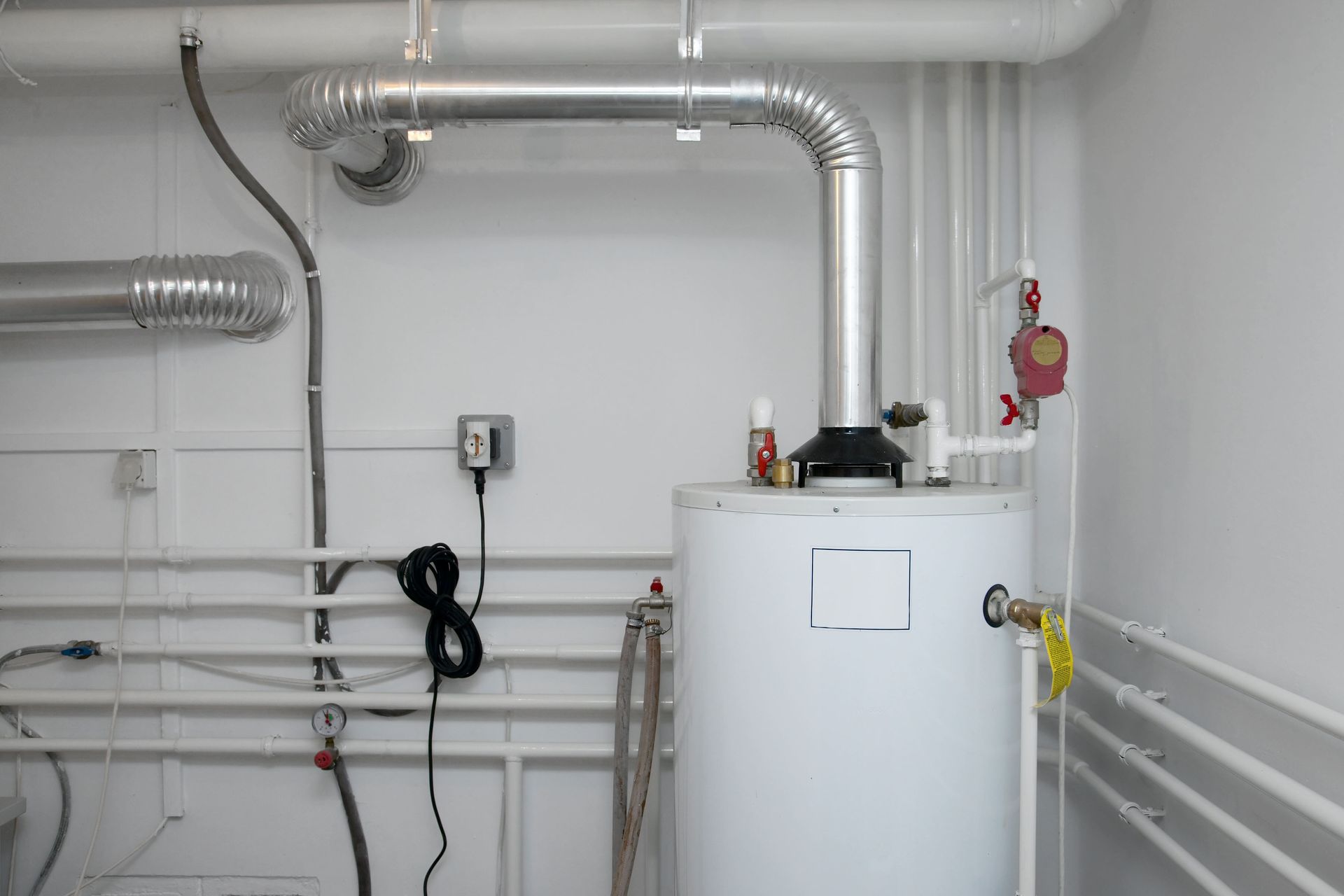
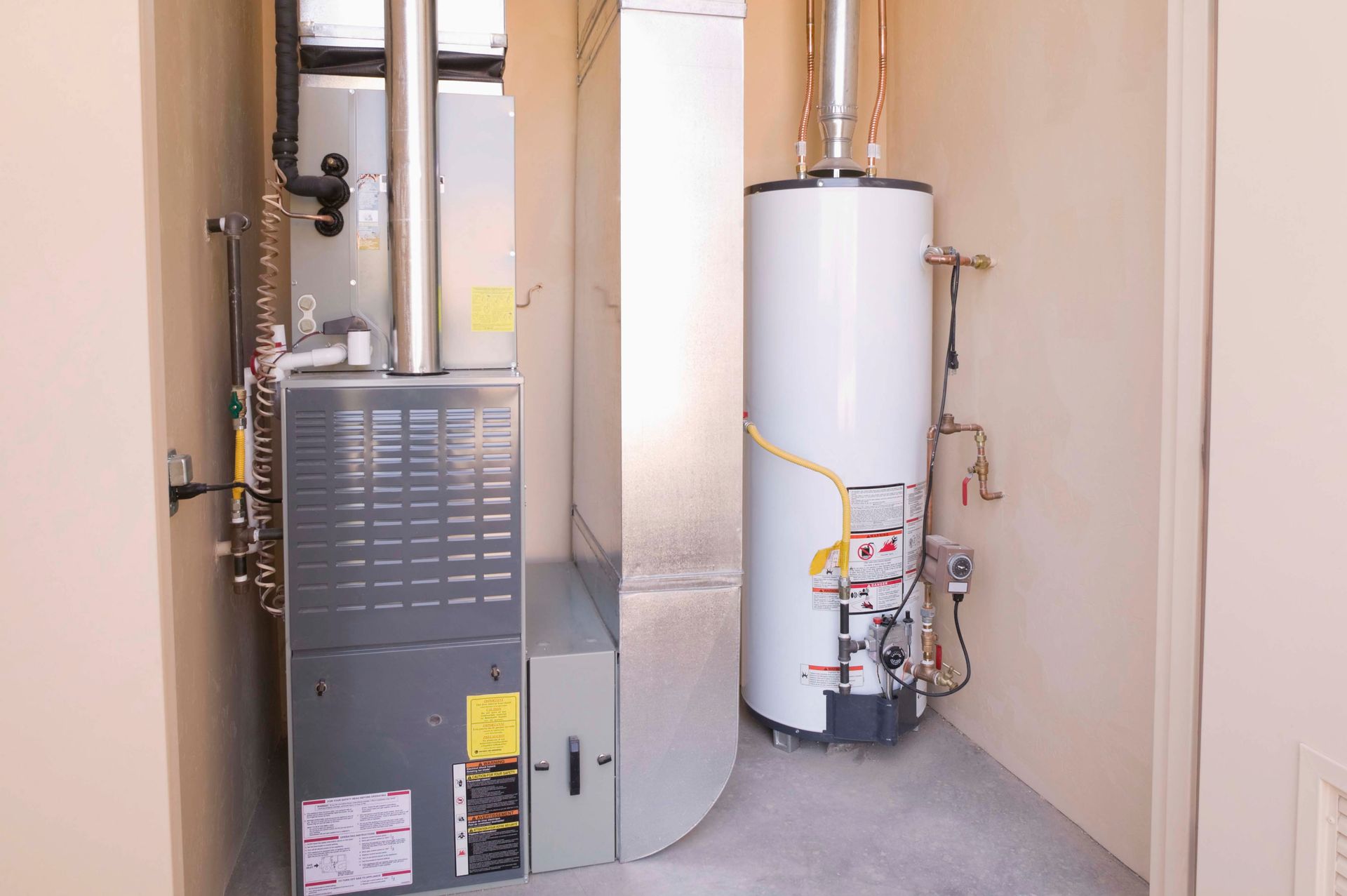
Traditional tank systems store a set amount of hot water in a reservoir. These systems heat water continuously, keeping it ready for use whenever a faucet or appliance is turned on. This design has been a reliable standard in homes for decades and remains widely used due to its simplicity and dependable performance. Many homeowners appreciate the predictability of having a consistent supply of hot water available for daily tasks such as bathing, laundry, and washing dishes.
A conventional setup is generally easier and less expensive to install, making it an appealing option for homeowners on a tighter budget. Because tank systems have been common for so long, most homes are already equipped with the necessary plumbing and electrical or gas connections, reducing installation complexity. A traditional water heater is also straightforward to maintain, with widely available replacement parts and familiar repair processes that keep service costs manageable.
However, once the stored hot water is depleted, users must wait for the tank to refill and reheat, which can be inconvenient for larger households or homes with high simultaneous usage. This recovery period may lead to scheduling showers or staggering appliance use, especially during busy mornings or evenings when demand is highest.
Exploring Modern Tankless Systems
Tankless water systems operate on demand, heating water only when it is needed rather than storing it in advance. This means homeowners enjoy a continuous supply of hot water without worrying about running out during peak usage times. Unlike traditional tank systems, which can run out of hot water during simultaneous showers or laundry cycles, tankless units provide hot water as it is required, ensuring convenience for busy households. Their compact design allows them to be mounted on walls, freeing up valuable space that might otherwise be occupied by a bulky tank. This feature is especially beneficial in apartments, smaller homes, or utility rooms where maximizing floor space is important.
A tankless water heater is particularly appealing for homes with high hot water demand or limited storage space. These systems are ideal for families who use multiple bathrooms simultaneously or run appliances like dishwashers and washing machines frequently. While the upfront installation cost is typically higher than that of traditional tank systems, many homeowners appreciate the long-term benefits of efficiency,
durability, and consistent performance. Tankless units generally last longer than conventional ones, often providing more than 20 years of reliable service. Additionally, their higher energy efficiency translates to lower utility bills, helping offset the initial investment over time. The reduced standby energy loss and precise heating control make tankless systems an eco-friendly and cost-effective choice for modern households.
Comparing Energy Efficiency Levels
Energy efficiency is a major factor when evaluating heating options. Traditional tank systems can lose energy as they continuously reheat stored water, even when not in use. This standby heat loss occurs because the water inside the tank gradually cools, prompting the heater to consume additional energy to maintain the set temperature. Over time, this constant energy use can significantly increase monthly utility bills, especially in households with moderate to high hot water needs.
Tankless systems, by contrast, only use energy when hot water is required, eliminating standby heat loss entirely. According to This Old House, while tankless water heaters tend to cost more during installation, these units have an 92%–95% efficiency rating and 20–year lifespan that can offset the higher initial cost. This efficiency advantage makes tankless systems appealing for homeowners focused on long-term savings and reduced energy consumption. In addition to lower energy bills, the higher efficiency of tankless systems also contributes to a smaller environmental footprint, making them an attractive choice for eco-conscious households seeking sustainable home solutions.
Evaluating Installation Requirements
Installation considerations vary significantly between the two options. Tank systems typically fit into existing plumbing setups with minimal modifications, making replacement projects relatively simple. This can be especially beneficial in older homes with limited electrical or gas capacity.
Tankless systems may require electrical upgrades, larger gas lines, or ventilation adjustments to support their higher performance demands. While these requirements add complexity, professional installation ensures the system operates safely and efficiently for years to come.
Assessing Performance for Household Usage
Household size and usage habits play a major role in determining the best option. Smaller households with moderate water usage often find tank systems sufficient for daily needs. Larger families, however, may experience delays or shortages during simultaneous use.
Tankless systems excel in homes where multiple bathrooms, appliances, and fixtures are used at the same time. The ability to deliver continuous hot water makes them ideal for busy households with higher demand.
Considering Maintenance and Longevity
Maintenance needs differ between system types. Tank systems require periodic flushing to remove sediment buildup, which can reduce efficiency and shorten lifespan if ignored. Over time, corrosion inside the tank may also lead to leaks or failure.
A well-maintained water heater of either type can perform reliably, but tankless systems often have longer lifespans due to reduced internal wear. Regular descaling and professional inspections help maintain optimal performance and extend system longevity.
Weighing Upfront and Long-Term Costs
Upfront cost is often the deciding factor for many homeowners. Tank systems are generally less expensive initially, making them attractive for those prioritizing immediate affordability. Replacement and repair costs are also typically lower.
Tankless systems involve higher upfront investment but can deliver savings through energy efficiency and extended service life. Over time, reduced utility bills and fewer replacements can balance or outweigh the initial expense.
Understanding Space and Design Benefits
Space considerations are especially important in smaller homes or utility rooms. Tank systems require a dedicated area large enough to accommodate the tank, which can limit storage or design flexibility.
Tankless systems are compact and can be installed in tighter spaces, offering greater freedom in home layout and renovation planning. This design advantage is often a deciding factor for homeowners looking to maximize usable space.
Matching the System to Your Lifestyle
Certain lifestyle factors such as daily routines, work schedules, and appliance usage should influence your decision. Homes with predictable, moderate usage may function perfectly with a tank system. Homes with variable or high-demand patterns often benefit from on-demand heating. Choosing the right system means aligning performance capabilities with real-world usage rather than focusing solely on cost or trends.
Planning for Future Needs
When selecting a system, it’s also wise to consider future changes. Growing families, home expansions, or additional bathrooms can increase hot water demand. Planning ahead helps avoid premature upgrades or replacements. Consulting a professional ensures the chosen system can adapt to future needs while remaining efficient and reliable.
Selecting between tank and tankless options ultimately depends on budget, household size, and long-term priorities. The right one for you balances efficiency, performance, and cost to meet your lifestyle needs. By understanding the strengths of each option, homeowners can make a confident decision that delivers comfort and value for years to come. If you are looking for a reliable water heater company, contact Top Dog Plumbing LLC today to learn more and get started!