January 12, 2026
Water softener installation is an important step in maintaining the quality of water in your home. Knowing what questions to ask during the installation process can ensure that you make the most informed decisions to meet your household's needs and avoid costly mistakes. Proper planning and understanding of the installation process can save time, prevent damage to plumbing, and maximize the efficiency of your system.
Let's explore different aspects of choosing and maintaining a water softener, addressing various factors that can influence your choice, including system type, household size, water usage, water hardness levels, and long-term maintenance considerations to help you get the best results. Additionally, we'll cover tips on selecting a reliable professional installer and ensuring your water softener performs optimally for years to come.
1. What Type of Water Softener Is Best for My Home?
When it comes to selecting a water softener, understanding the different types of systems available is crucial. The most common systems are ion exchange, salt-free, and magnetic water softeners. Each type has its advantages and disadvantages depending on household water needs and preferences. Ion exchange systems, which are the most popular, replace hardness minerals with sodium or potassium ions. In contrast, salt-free systems alter the chemistry of minerals, so they can't bond together. However, they don't actually remove them.
Determining the hardness of your water is key to selecting the appropriate system. Water hardness is measured in grains per gallon (GPG), with anything over 7 GPG considered hard water. Testing kits are available for homeowners to assess hardness levels themselves, or a professional can conduct a thorough analysis. Depending on the hardness, different systems may be more effective in addressing the issue. Knowing your water's hardness will guide you in choosing a unit that meets your specific needs without overpaying for unnecessary features.
Your household size and typical water usage are significant considerations in determining what type of system to install. A family of four with heavy water usage will need a more robust system than a single-person household. Water softeners are rated by their grain capacity, and larger families should opt for higher-capacity models to avoid frequent regeneration cycles. Additionally, usage patterns throughout the day can affect performance; peak usage times may require different configurations. Understanding your household's consumption helps in determining the right system size and capacity.
2. What Is the Installation Process?
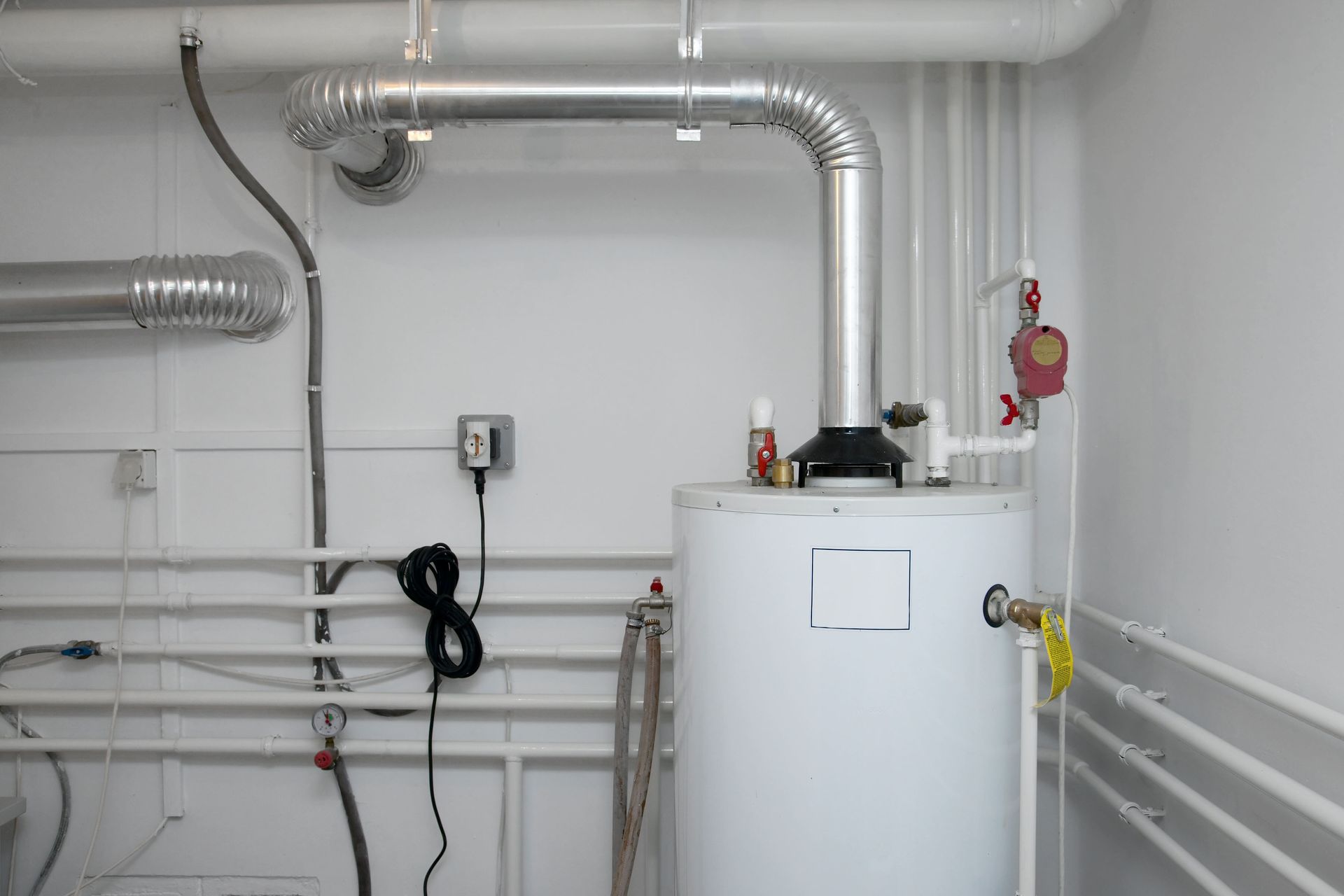
Water softener installation involves several detailed steps. Initially, the main water supply must be turned off, and existing pipes drained. The softener is then connected to the water system, often near the point of entry into your home for maximum efficiency. Connections to drainage and electricity, if required, will also be necessary. Completion involves testing the system for leaks and programming it to start the water softening process effectively.
Installation requires specific tools and equipment to ensure a seamless process. Tools typically include a pipe cutter, wrench set, plumber's tape, and PEX tubing or copper piping. It's essential to have the correct parts according to your plumbing system to avoid any mistakes during installation. In addition to basic tools, a water hardness testing kit may be helpful to confirm improvements post-installation. Having all necessary equipment on hand before commencing work saves time and streamlines the process.
The time required to complete a water softener installation largely depends on the home's current plumbing setup and the type of system being installed. For professionals, the process can typically be completed within a few hours. However, for a DIY approach, it may take longer, especially for those unfamiliar with plumbing work. Delays can emerge if unexpected complications arise, such as outdated piping or incompatible fittings. Understanding the expected timeframe helps in scheduling accordingly and setting realistic completion goals.
3. How Does Maintenance Work?
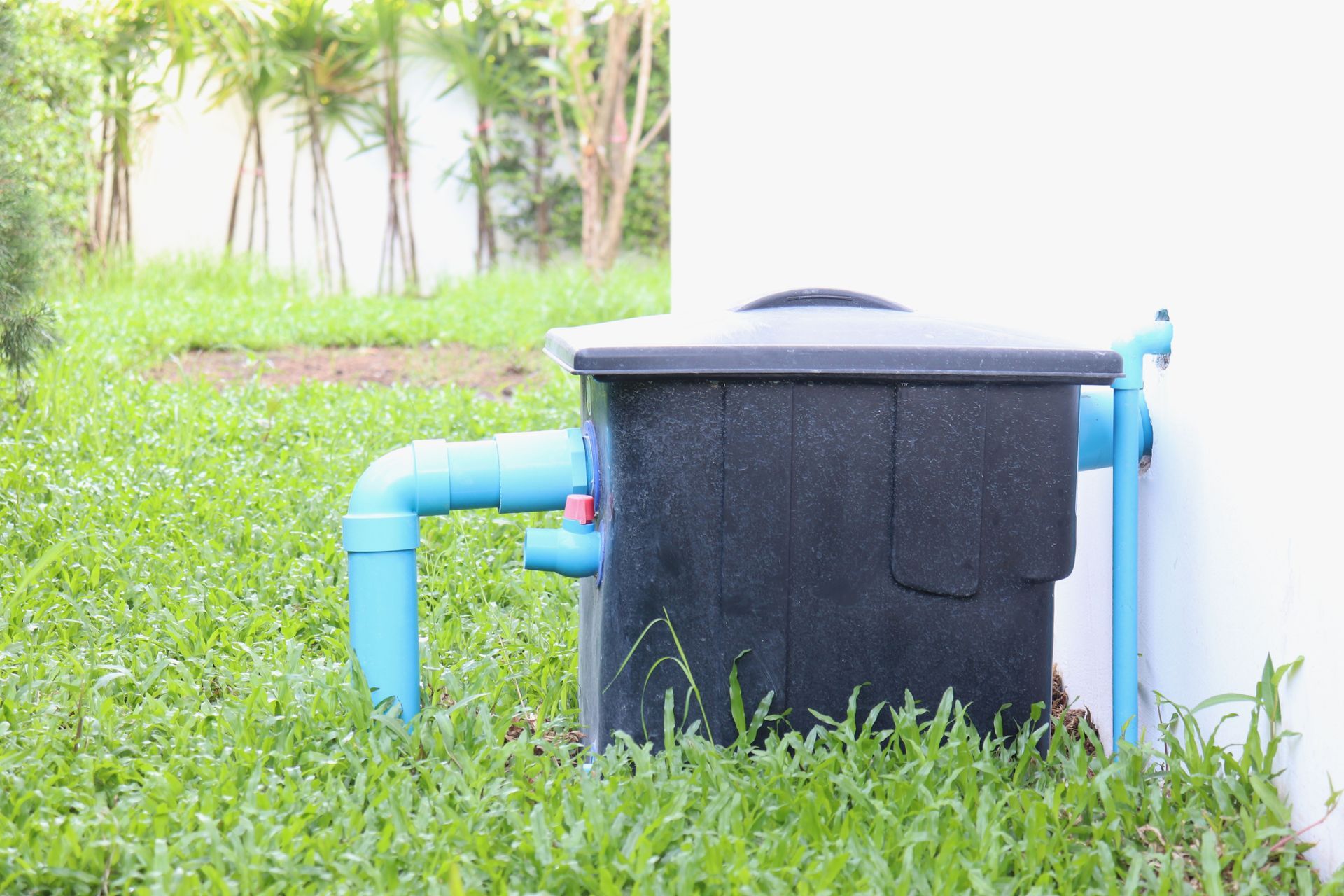
Regular maintenance is vital for ensuring the longevity and performance of a water softener system. Maintenance includes regularly checking the salt levels and ensuring that the brine tank is adequately filled. Periodically cleaning the tank and removing any salt bridges or crust is essential to prevent system malfunction. According to This Old House, water softener resin beads usually last 10 to 15 years before needing replacement. Keeping up with maintenance ensures effective softening and prolongs the lifecycle of the unit.
One key aspect of maintaining a water softener system is managing the salt supply. Regularly check that the brine tank is filled with the appropriate type of salt, as this is crucial for the ion exchange process. Over time, the salt can form bridges or blockages, which need to be broken up or dissolved to maintain efficiency. It's essential to note that the frequency of replenishment can vary depending on water usage and hardness levels. Ignoring salt requirements can lead to poor performance and hard water issues reemerging.
Like any home system, water softeners can experience issues that require troubleshooting. A common problem is the failure to regenerate, which can be due to mechanical malfunctions or lack of salt. Additionally, resin fouling can occur, potentially necessitating replacement resin beads. Regularly inspecting the unit and addressing minor issues promptly can avert major breakdowns. Familiarizing yourself with the manual and common troubleshooting tips is beneficial in managing the system independently.
4. What Are the Benefits of a Water Softener?
An evident benefit of water softener installation is the improvement in water quality. By removing hardness minerals such as calcium and magnesium, a softener leaves water feeling smoother and more palatable. This results in a better bathing experience and enhances the flavor when cooking or making beverages. Moreover, softened water can prevent unsightly mineral deposits on dishes, improving their cleanliness and appearance. Enhanced water quality contributes to an overall more pleasant household water experience.
Another essential benefit of softened water is the extension of appliance and plumbing lifespan. Hard water can cause scaling and deposits in pipes and appliances, leading to premature wear and failure. By softening your water, these damaging minerals are minimized, reducing the likelihood of clogs and inefficiencies. Water heaters, dishwashers, and washing machines all benefit significantly, with softer water leading to less maintenance and fewer repairs. This investment prolongs the life of household systems, creating long-term financial savings.
Softened water often translates to cost savings over time, an attractive benefit for homeowners. The reduction in scale buildup increases the efficiency of water heaters, lowering energy consumption and utility bills. Additionally, less soap and detergents are needed for cleaning, as soft water enhances efficacy. The decreased need for repairs and parts replacement in appliances resulting from lower scaling saves money. This initial investment in water softener installation can significantly pay off in the years to come.
Choosing the right water softener involves understanding both your household's needs and the technical aspects of the systems available. By asking pertinent questions during the water softener installation process, you can ensure a more effective and efficient home water softening solution that meets your long-term needs. Being well-informed helps in maximizing the benefits while minimizing potential drawbacks. Armed with this knowledge, you're better equipped to make a suitable choice and select a system that truly fits your lifestyle.
Ultimately, the right water softener can lead to a more comfortable, cost-effective, and healthier home environment. For professional guidance and expert water softener installation in Boise, trust the team at Top Dog Plumbing LLC to ensure your home enjoys the full benefits of soft, high-quality water. Contact us today!