October 3, 2026
A septic system quietly handles wastewater for many homes, but problems can develop when the tank or drainfield is not properly maintained. Slow drains, unpleasant odors, backups, and unusually wet areas in the yard can all indicate that the system needs attention. Understanding common septic tank problems allows homeowners to recognize warning signs before a minor concern becomes a major disruption. Plumbers can also help homeowners determine whether a plumbing symptom is connected to the septic system or another part of the home's wastewater infrastructure. Regular maintenance is especially important because septic systems depend on a combination of tanks, pipes, soil, and biological processes. Ignoring early warning signs may eventually lead to sewage backups or costly repairs. Homeowners who understand how their septic system works can make better maintenance decisions throughout the year. Learning about the most common problems is a useful first step toward protecting the system and the property.
Recognize Septic Tank Overflows
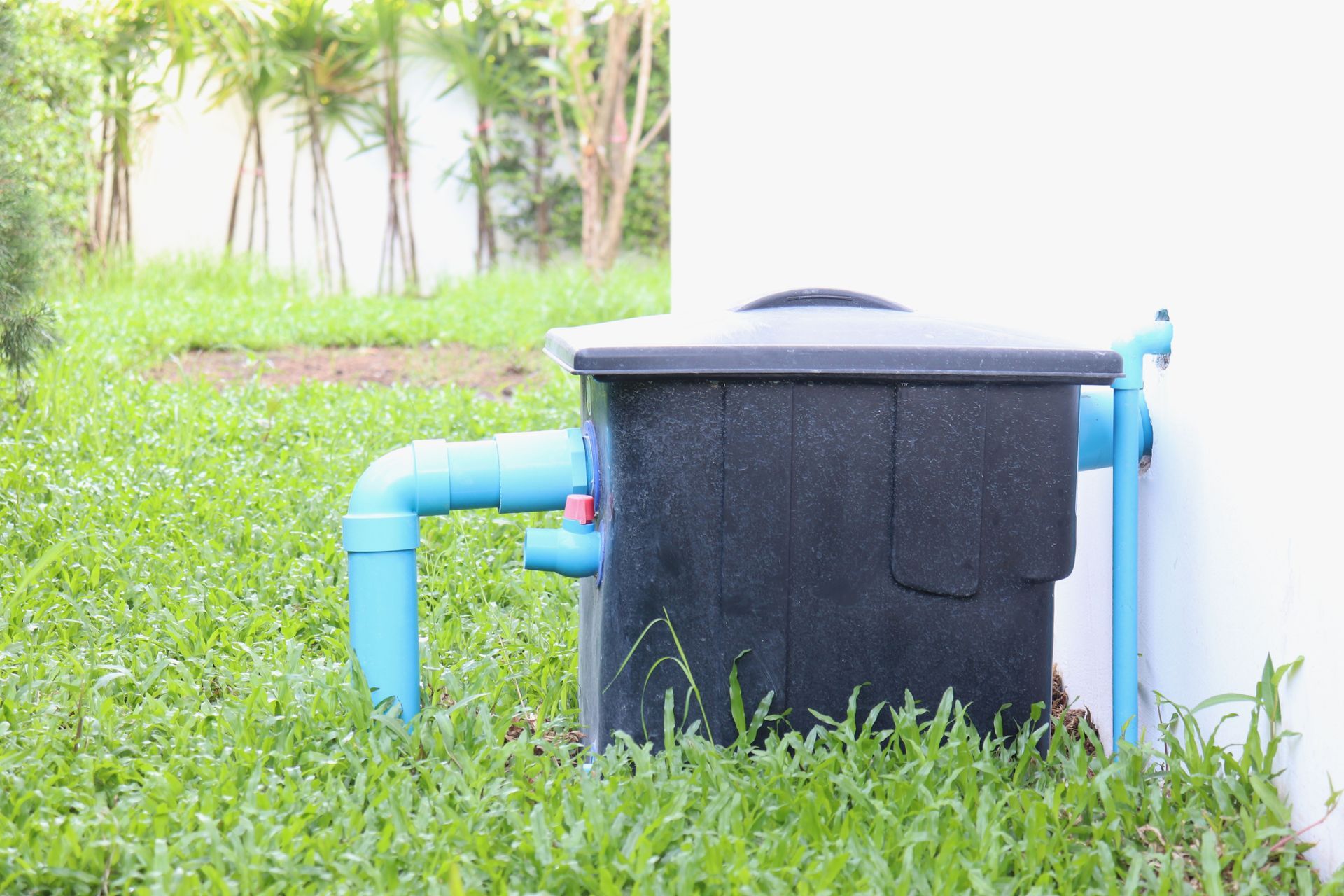
An overflowing septic tank is one of the clearest signs that a system is struggling to manage wastewater. Homeowners may notice sewage backing up through toilets, sinks, showers, or floor drains when the tank becomes too full or the system cannot move wastewater properly. Plumbers can investigate these symptoms and determine whether the issue is related to the tank, connecting pipes, or another plumbing component. Excessive water use can also contribute to an overloaded system by sending more wastewater into the tank than it can efficiently process. Spreading laundry, doing dishes, and other high-water activities throughout the week can reduce sudden demands on the system. Homeowners should avoid flushing items that do not break down easily because they can contribute to blockages and interfere with normal operation. If wastewater begins appearing where it should not, prompt attention is important to limit the potential for unsanitary conditions. Addressing an overflow early can help identify the underlying problem before it causes more extensive damage.
Identify Drainage and Backup Issues
Slow drains throughout the home can sometimes indicate a developing septic problem rather than an isolated clogged fixture. When multiple sinks, showers, or toilets begin draining slowly at approximately the same time, the issue may be farther along the wastewater system. Plumbers can evaluate whether the problem originates inside the home's plumbing or involves the septic tank and associated lines. A single slow drain may have a localized blockage, while several affected fixtures can point toward a larger issue. Homeowners should pay attention to recurring backups, gurgling sounds, or water rising in one fixture when another is being used. These symptoms should not be ignored simply because the system continues to drain eventually. Continued use can increase the amount of wastewater entering an already restricted system. Identifying patterns early can help homeowners seek appropriate service before a complete backup occurs.
Monitor Unpleasant Septic Odors
Unusual sewage odors around the home or yard can be another warning sign of septic system trouble. A properly functioning system should contain wastewater and gases within the appropriate components rather than allowing strong odors to escape into living areas. Plumbers may inspect drains, pipes, tank connections, and ventilation components when persistent odors appear indoors. Outside odors can sometimes indicate an issue with the tank, drainfield, or wastewater distribution. Homeowners should also avoid covering suspected problem areas with soil or landscaping materials before the source of the odor has been identified. Masking the smell does not address the underlying problem and can make future inspection more difficult. Strong or recurring sewage odors deserve attention because they may accompany other problems such as leaks, backups, or inadequate wastewater treatment. Prompt investigation can help determine whether the odor represents a plumbing issue or a larger septic concern.
Watch for Drainfield Problems
The drainfield plays an essential role in the septic system because it allows treated wastewater to move into the surrounding soil. When the drainfield becomes overloaded, compacted, or otherwise impaired, wastewater may have difficulty dispersing properly. Plumbers can help identify symptoms that suggest a drainfield concern, although specialized septic professionals may be needed for certain evaluations or repairs. Homeowners may notice unusually wet areas, standing water, lush patches of grass, or sewage odors over or near the drainfield. Driving vehicles or placing heavy structures over the area can compact the soil and interfere with its ability to absorb wastewater. Excessive water use can also place additional pressure on a drainfield that is already struggling. Protecting this area from unnecessary traffic and managing household water consumption can support normal system operation. Recognizing changes in the drainfield early can help homeowners address potential problems before wastewater reaches the surface.
Prevent Tank Blockages
Blockages can occur when inappropriate materials enter the septic system and interfere with the movement of wastewater. Toilets should generally be used only for human waste and toilet paper because many household products do not break down properly in septic systems. Items such as wipes, paper towels, feminine hygiene products, grease, and certain chemicals can contribute to clogs or disrupt normal system function. Plumbers can investigate persistent drainage problems when homeowners suspect a blockage somewhere in the plumbing system. Kitchen grease deserves particular attention because it can accumulate inside pipes and restrict wastewater flow. Instead of pouring grease down a drain, homeowners should dispose of it through an appropriate waste method. Teaching everyone in the household what can and cannot enter the septic system can reduce preventable blockages. Careful disposal habits are a simple way to support the long-term operation of the entire wastewater system.
Manage Excessive Water Use
Septic systems need time to process and distribute wastewater, so excessive water use can place unnecessary stress on the system. Running several loads of laundry in one day, taking extended showers, or using multiple high-water appliances simultaneously can send large amounts of water into the tank. Plumbers may recommend reviewing household water usage when repeated drainage or septic concerns occur. Fixing leaking faucets and running toilets can also reduce the amount of water entering the wastewater system unnecessarily. Low-flow fixtures and efficient appliances may help lower daily water consumption over time. Homeowners can spread high-water activities across different days rather than completing them all at once. Conserving water does not eliminate the need for septic maintenance, but it can reduce the hydraulic load placed on the system. A consistent approach to water use can help maintain more predictable septic performance.
Schedule Regular Septic Maintenance
Routine maintenance gives homeowners an opportunity to identify developing problems before the system experiences a major failure. Septic tanks need to be inspected and pumped according to the system's needs, household size, usage patterns, and other conditions. According to the U.S. Environmental Protection Agency (EPA), more than one in five U.S. households depend on septic systems for wastewater treatment. This makes regular septic maintenance an important consideration for a substantial number of households across the country. Plumbers can address household plumbing concerns, while septic professionals can provide specialized tank and drainfield services when required. Homeowners should keep records of pumping dates, inspections, repairs, and other maintenance activities. These records make it easier to understand the system's history and recognize when routine service may be approaching. Regular maintenance can help extend the useful life of the system while reducing the likelihood of unexpected wastewater problems.
Respond to Septic Warning Signs
Early warning signs should always be considered when evaluating the condition of a septic system. Slow drains, sewage odors, standing water, wet drainfield areas, and repeated backups can all provide useful information about potential problems. Homeowners should avoid waiting until wastewater enters the home before seeking assistance. Plumbers can evaluate related plumbing symptoms and help determine whether the issue requires septic service or another type of repair. It is also important to avoid attempting complicated septic repairs without appropriate knowledge and equipment. Professional evaluation can help identify the source of the problem and determine the next appropriate step. Addressing concerns promptly may reduce the possibility of additional property damage and prolonged disruption. A proactive approach allows homeowners to maintain their wastewater systems more effectively and respond to problems before they become emergencies.
Homeowners experiencing septic-related plumbing problems can contact Top Dog Plumbing LLC for professional assistance. Reach out to us today to discuss drainage concerns, backups, odors, or other plumbing issues and determine the appropriate service for the home.