November 4, 2026
Plumbing problems rarely happen at convenient times. A leaking pipe, clogged drain, or malfunctioning water heater can interrupt daily routines and cause significant property damage when left unaddressed. Although some failures occur without warning, many plumbing problems develop gradually, making early detection an important part of protecting a home.
Scheduling routine plumbing service allows homeowners to identify potential issues before they require urgent attention. According to BDR, between 70% and 80% of all plumbing service calls in 2026 qualify as urgent or emergency repairs. This statistic highlights the importance of preventive maintenance, particularly for aging plumbing systems. Understanding which components need attention can help homeowners reduce avoidable disruptions and maintain reliable water and drainage systems.
Understanding the Importance of Routine Plumbing Maintenance
Identifying Problems Before They Escalate
Plumbing systems include interconnected pipes, fixtures, drains, valves, and water heaters that experience daily wear. Over time, corrosion, mineral buildup, and deteriorating connections can affect their performance. Without regular inspections, minor problems may remain unnoticed until they cause water damage or interrupt essential household activities.
Preventive maintenance focuses on identifying these concerns while repairs are still manageable. A plumber may examine exposed pipes, inspect fixture connections, evaluate water pressure, and check for visible deterioration. Addressing developing problems early can reduce the likelihood of unexpected failures.
Establishing a Practical Maintenance Schedule
The appropriate maintenance schedule depends on a home's plumbing materials, age, water quality, and usage patterns. Older properties may require more frequent inspections, particularly when their pipes or fixtures show signs of deterioration. Homes with hard water may also experience mineral accumulation that affects certain components.
An annual professional plumbing service appointment can provide a useful starting point, although some systems require different schedules. Homeowners should also monitor plumbing performance between visits and arrange additional inspections when unusual symptoms appear.
Understanding the Risks of Emergency Plumbing Repairs
Preventing Extensive Water Damage
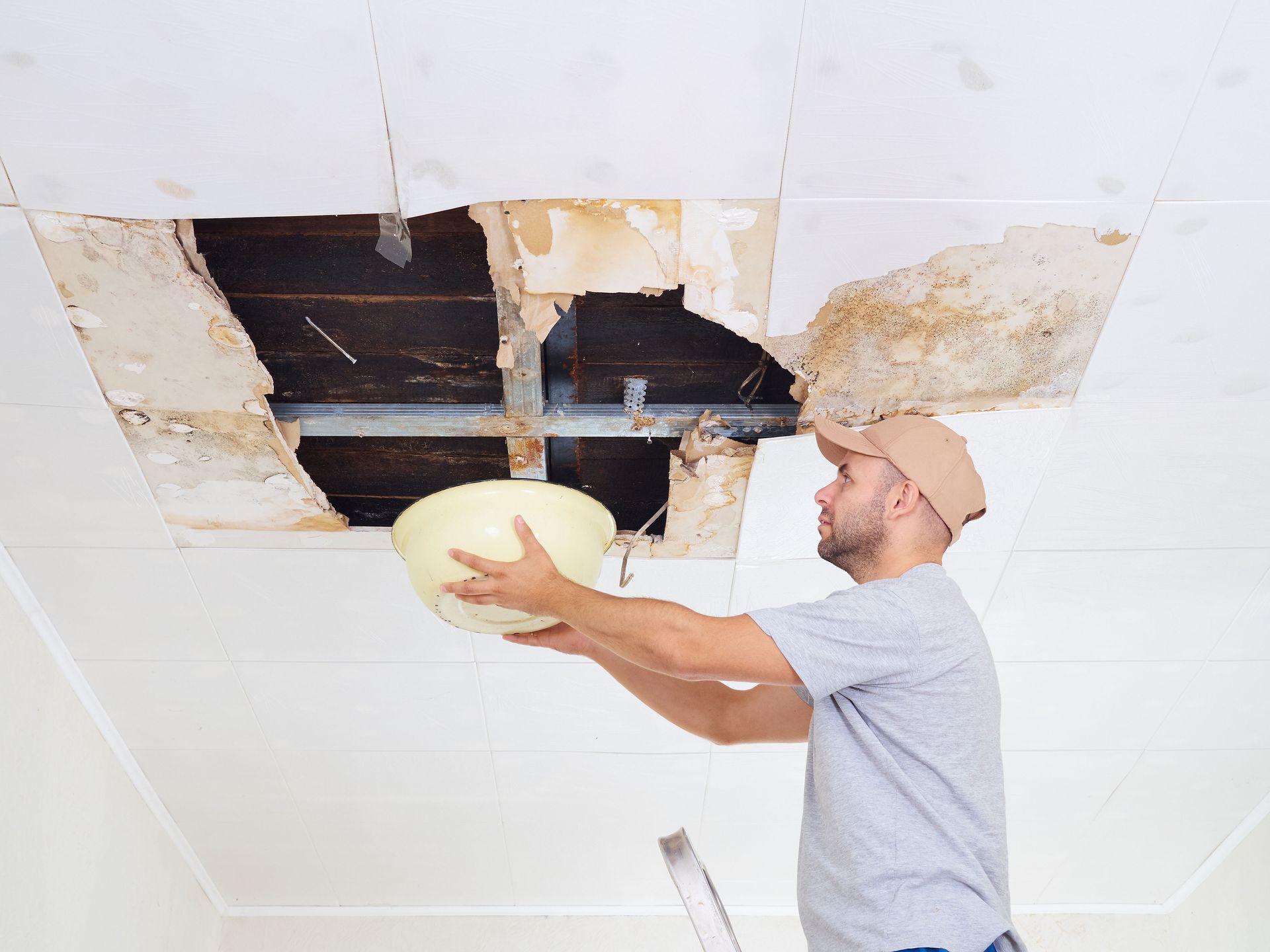
Unexpected leaks can damage flooring, drywall, insulation, and personal belongings. When moisture remains trapped behind walls or beneath flooring, additional problems may develop, including material deterioration and microbial growth. Even relatively small leaks can cause significant damage when they continue undetected.
Water damage restoration may involve drying affected areas, removing damaged materials, and repairing the original plumbing problem. Regular inspections cannot prevent every emergency, but they can identify deteriorating connections and other warning signs before substantial damage occurs.
Reducing Unexpected Repair Expenses
Emergency plumbing repairs may involve additional expenses because problems require immediate attention, specialized equipment, or work outside regular business hours. The overall cost can increase when water damage affects surrounding materials or multiple plumbing components need replacement.
Preventive maintenance helps homeowners plan for necessary repairs instead of responding exclusively to unexpected failures. A scheduled plumbing service visit can reveal worn components, allowing homeowners to prioritize repairs according to their condition and potential risks.
Maintaining Pipes, Drains, and Fixtures
Inspecting Pipes and Connections
Pipes and fittings can deteriorate because of corrosion, temperature changes, movement, and normal wear. Common warning signs include visible moisture, discoloration, reduced water pressure, and unexplained increases in water consumption. Homeowners should pay particular attention to accessible plumbing beneath sinks, near appliances, and around water supply connections.
Professional inspections may identify problems that are difficult to detect through casual observation. When necessary, plumbers can recommend replacing damaged sections or repairing faulty connections before additional leakage occurs.
Preventing Drain Clogs and Backups
Drain blockages often develop as grease, soap residue, hair, and other debris accumulate inside pipes. Kitchen sinks, bathroom drains, and frequently used fixtures can become particularly vulnerable when unsuitable materials enter the drainage system.
Homeowners can reduce certain blockages by using drain strainers and keeping grease, wipes, and other inappropriate materials out of drains. Persistent slow drainage, recurring clogs, or wastewater backups may indicate a deeper problem requiring professional evaluation.
Mechanical drain cleaning can remove certain obstructions without relying on harsh chemical products that may damage plumbing materials or create handling hazards.
Protecting Water Heaters From Unexpected Problems
Recognizing Water Heater Warning Signs
Water heaters experience regular heating cycles that gradually affect internal components. Sediment accumulation, deteriorating connections, and worn heating elements can reduce performance or contribute to mechanical problems. Warning signs may include inconsistent water temperatures, unusual noises, visible leakage, or discolored hot water.
These symptoms have different possible causes, so professional diagnosis is important. Scheduling plumbing service when performance changes become noticeable can help identify whether maintenance, component replacement, or a new water heater is appropriate.
Following Manufacturer Maintenance Recommendations
Water heater maintenance requirements depend on the equipment's design, fuel source, and manufacturer instructions. Certain tank-style systems benefit from periodic sediment removal, while other models have different inspection and servicing requirements.
Temperature and pressure relief valves are important safety components that should be evaluated according to manufacturer guidance. Homeowners should avoid attempting unfamiliar maintenance procedures, particularly those involving gas connections, electrical components, or pressurized hot water.
Qualified professionals can assess the equipment and recommend appropriate maintenance based on its condition.
Detecting Hidden Leaks and Sewer Line Problems
Monitoring Unusual Water Usage
Not every plumbing leak produces visible puddles. Some develop beneath flooring, behind walls, or in underground supply lines, making them difficult to recognize immediately. An unexplained increase in water consumption, persistent dampness, or the sound of running water when fixtures are off may indicate a hidden problem.
Homeowners can periodically review their water bills and check their water meter for unexplained activity. When a leak is suspected, professional diagnostic equipment can help identify its location and determine which repairs are necessary.
Inspecting Sewer Lines for Damage
Sewer lines can experience blockages caused by accumulated debris, intrusive tree roots, damaged pipe sections, or structural defects. Recurring drain backups, wastewater odors, and multiple slow drains may signal problems beyond an individual fixture.
Camera inspections allow plumbers to examine accessible sewer lines and identify certain obstructions or damage. Depending on the findings, maintenance may involve mechanical cleaning, hydro-jetting, or targeted repairs.
Routine plumbing service can help identify recurring drainage concerns before they develop into more disruptive wastewater backups.
Using Modern Technology to Support Maintenance
Installing Smart Leak Detection Devices
Water-monitoring technology offers homeowners additional ways to recognize unusual plumbing activity. Smart leak detectors can identify moisture near appliances, water heaters, and other vulnerable locations. Some systems monitor water flow and send notifications when usage patterns suggest a possible leak.
Certain devices also offer automatic shutoff capabilities that may limit water damage when a leak is detected. However, these systems require appropriate installation and cannot identify every possible plumbing failure.
Improving Water Efficiency
Water-efficient fixtures and properly maintained plumbing systems can help reduce unnecessary water consumption. Leaking faucets, continuously running toilets, and defective supply connections may waste water without attracting immediate attention.
Replacing worn components and choosing suitable water-saving fixtures can support conservation efforts while improving household efficiency. Homeowners should prioritize products compatible with their existing systems and address underlying problems rather than relying exclusively on new equipment.
Developing Better Plumbing Maintenance Habits
Recognizing When Professional Help Is Necessary
Homeowners can perform basic visual checks, monitor water usage, and keep drains free from inappropriate materials. However, repairing pressurized pipes, addressing sewer backups, and servicing certain water heater components require specialized knowledge.
A qualified plumber can assess symptoms, identify underlying causes, and recommend suitable repairs. Seeking assistance when warning signs first appear can prevent homeowners from unintentionally worsening an existing problem.
Preparing for Unexpected Plumbing Problems
Even well-maintained systems can experience sudden failures. Homeowners should know where the main water shutoff valve is located and understand how to turn off the supply when necessary.
Keeping accessible emergency contact information and periodically checking for developing leaks can also improve preparedness. Combining these practical measures with scheduled plumbing service helps homeowners respond more effectively when problems arise.
Protecting Your Home With Preventive Plumbing Maintenance
Routine maintenance plays an important role in reducing avoidable plumbing emergencies and protecting residential properties. Regular inspections, timely repairs, and attention to changing system performance can help homeowners identify concerns before they become more complicated. Although preventive care cannot eliminate every unexpected failure, it supports reliable operation and more informed maintenance decisions.
Don't wait for a burst pipe, major leak, or failed water heater to disrupt your home. Contact Top Dog Plumbing LLC today to schedule a professional
plumbing service appointment, address developing concerns, and take a proactive approach to protecting your property.