July 24, 2026
Explore the value that professional tradespeople bring to home improvement projects, ensuring long-term functionality, safety, and enhanced property value. Residential properties are complex ecosystems that rely heavily on robust pipe networks for their daily operation. Engaging an expert provides homeowners with solutions that not only address immediate mechanical failures but also contribute significantly to the overall structural health of the building. In an evolving real estate market, updated water systems make measurable contributions to property valuations and long-term marketability.
According to IBIS World, 128,787 plumbing businesses are operating in the U.S. as of 2026. This vast industry size ensures that high-quality assistance is readily available for projects ranging from minor upgrades to comprehensive system overhauls. Navigating regional building regulations, understanding complex material lifespans, and executing modern installations require specialized training that goes far beyond standard do-it-yourself capabilities. Homeowners consistently save time and money by avoiding common amateur plumbing mistakes.
Upgrading Residential Plumbing Systems
Modern home improvement frequently involves modernizing aging fixtures and integrating highly efficient appliances into existing layouts. Professional plumbers undergo extensive training and certification processes to master contemporary techniques, water conservation standards, and optimal system designs. This deep technical knowledge ensures that new installations, ranging from tankless water heaters to low-flow filtration systems, operate at peak performance from day one while preventing common installation errors that lead to premature component failure.
Hands-on experience allows seasoned professionals to adapt to the unexpected structural challenges that often arise when opening up walls or floors in older homes. Experienced technicians quickly evaluate historical piping choices, such as outdated galvanized iron or early copper configurations, and seamlessly connect them to modern, durable materials like PEX. This level of precision eliminates the risk of mismatched components, galvanic corrosion, and slow-moving structural leaks that degrade subfloors over time.
Furthermore, integrating advanced smart home technology requires a sophisticated understanding of both mechanical systems and digital controls. Industry experts regularly attend continuing education courses to remain adept at installing automated shut-off valves, digital leak detection arrays, and smart irrigation monitors. By trusting these advanced tasks to qualified professionals, property owners safeguard their initial investments and ensure their updated systems remain compliant with evolving municipal codes.
Ensuring Household Safety Standards
Adhering strictly to local and national building codes is paramount for protecting a household from health hazards and legal liabilities. Certified plumbers maintain comprehensive familiarity with regional regulations, ensuring that all drainage slope requirements, venting parameters, and material specifications are precisely met. Non-compliant work can result in municipal fines, compromised insurance coverage, and severe safety issues, making professional verification an indispensable asset during major renovations.
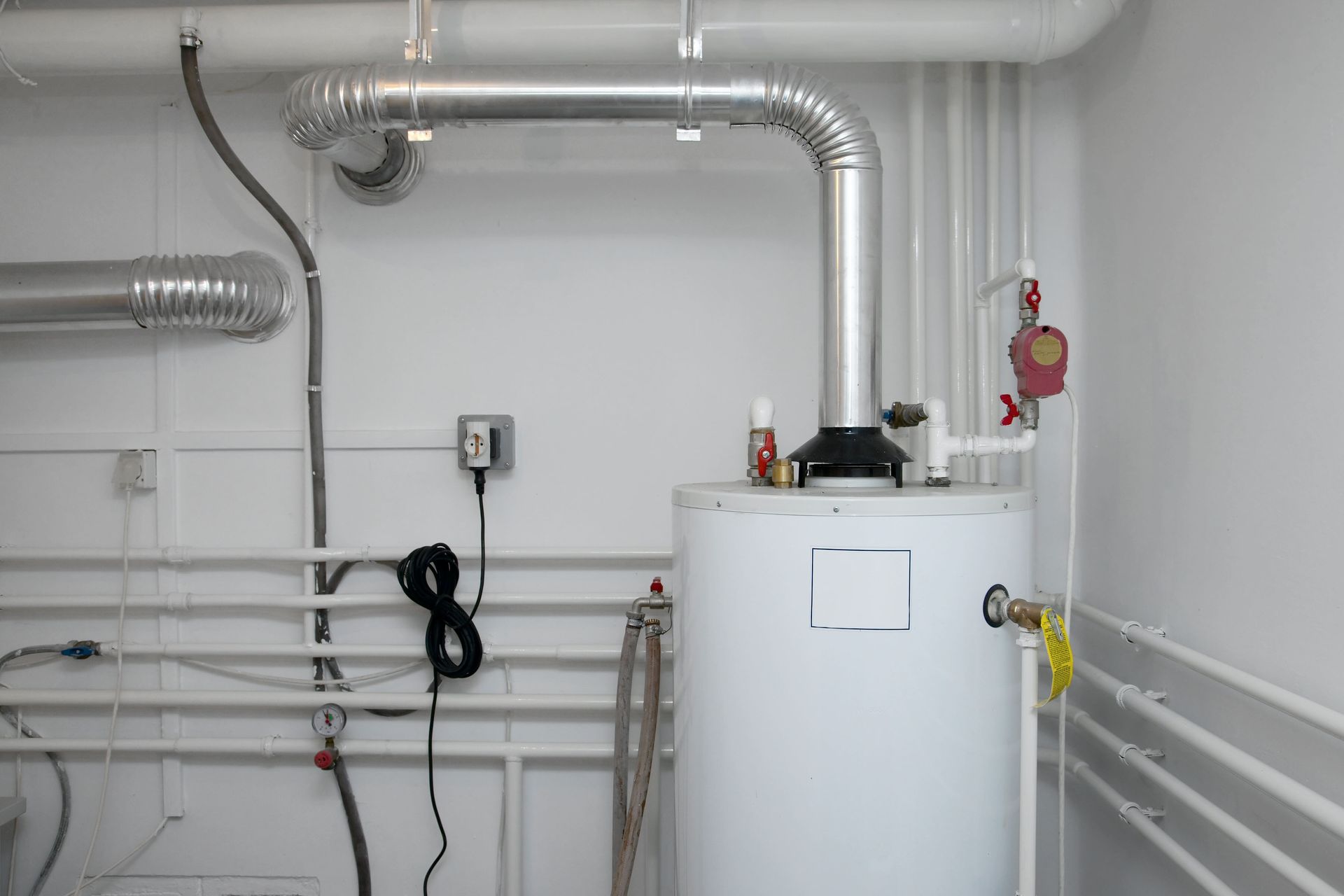
Beyond legal compliance, proper system management directly mitigates hidden physical risks within a property, such as backflow contamination and hazardous gas accumulation. Incorrectly installed water heaters or poorly vented sewer lines can introduce carbon monoxide or methane into living spaces, creating immediate dangers for occupants. Entrusting these critical infrastructure components to verified technicians guarantees that dangerous exhaust paths and pressure relief valves are calibrated perfectly to prevent catastrophic failures.
Workplace safety protocols also dictate the use of specialized personal protective gear and advanced diagnostic equipment during every service call. Professional teams utilize specialized line cameras, electronic gas sniffers, and heavy-duty pipe machinery safely, minimizing the potential for accidental property damage or personal injury. Choosing credentialed experts over labor that is not certified ensures that hazardous materials, high-pressure lines, and confined crawlspaces are managed with appropriate industry caution and specialized care.
Minimizing Long-Term Repair Costs
Investing in licensed contractors helps prevent the cascading, catastrophic expenses that typically follow minor, unaddressed leaks or amateur patch jobs. Routine preventative maintenance and meticulous diagnostic inspections catch micro-fissures, slow corrosion, and subtle pressure imbalances before they mature into major structural emergencies. This proactive management strategy extends the operational lifespan of the entire system, yielding substantial financial savings over the duration of home ownership.
A methodical approach to system analysis allows certified individuals to identify the root causes of recurring drainage drops or pressure drops rather than merely masking the visible symptoms. By resolving underlying systemic issues, such as mineral buildup in main water lines or tree root intrusion in external sewer laterals, professionals prevent recurring service fees and unnecessary stress. This comprehensive care preserves the integrity of surrounding drywall, cabinetry, and flooring from gradual water degradation.
The long-term economic advantages become even more apparent when considering water utility expenses and appliance efficiencies. Optimally balanced water pressure reduces unnecessary stress on washing machines, dishwashers, and water filtration units, preventing premature breakdowns. Additionally, eliminating hidden pinhole leaks and adjusting fixture flow rates can dramatically lower monthly utility statements, making professional oversight a self-sustaining investment for the household budget that pays dividends over time.
Detecting Hidden System Failures
The true value of hiring experienced plumbers often lies in their ability to uncover deeply concealed infrastructure problems that escape the untrained eye. Hidden slab leaks, deteriorated supply lines inside walls, and failing subfloor joints can silently compromise a foundation for months before showing visible stains. Utilizing acoustic listening devices and thermal imaging technology, expert technicians pinpoint the exact location of sub-surface issues without invasive, exploratory demolition.
Evaluating an aging property's historical plumbing layout requires a holistic understanding of how different structural components interact under constant pressure. Professionals assess subtle environmental clues, such as unexpected drops in water pressure or localized floor discoloration, to diagnose internal systemic decay accurately. This diagnostic precision ensures that remediation efforts are perfectly targeted, saving property owners from the high expenses associated with widespread, trial-and-error drywall removal.
Comprehensive inspections also take into account the chemical composition of local water supplies and their specific impact on distinct pipe materials over time. Hard water conditions can cause rapid scaling inside copper lines, while acidic water can prematurely erode brass fittings and joints. Armed with these specific insights, certified technicians can recommend tailored filtration solutions or strategic repiping schedules that fortify the home against future structural deterioration and expensive water damage.
Providing Rapid Emergency Responses
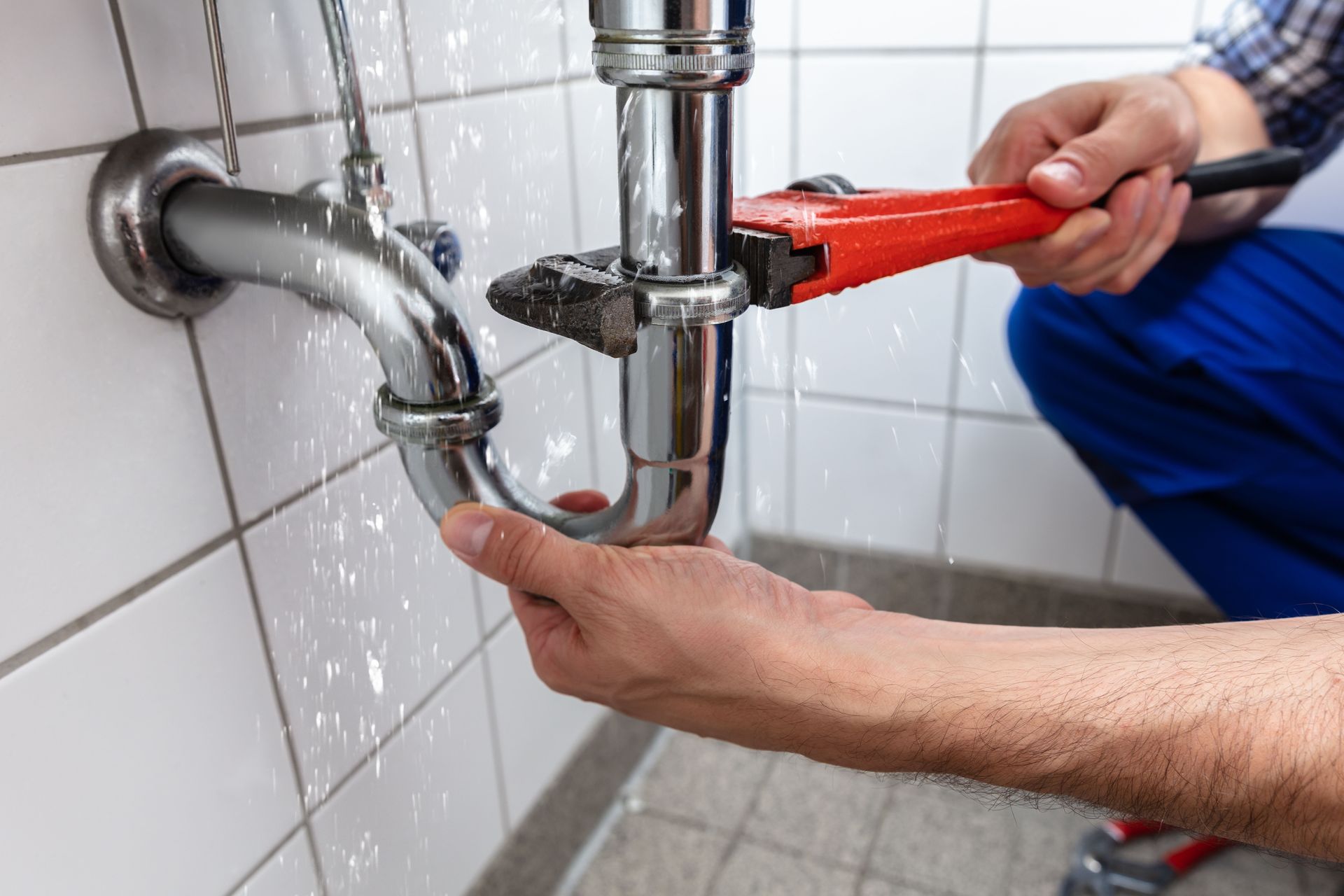
Sudden mechanical failures, such as ruptured supply lines or severe sewage backups, require immediate, decisive action to avert widespread property ruin and sanitation risks. Emergency response teams are structurally organized to deploy rapidly, equipped with mobile inventories of industrial-grade tools, replacement valves, and high-capacity extraction pumps. This immediate availability minimizes the total duration of active water escape, limiting structural saturation and the subsequent development of hazardous mold colonies.
During a high-stress utility emergency, clear guidance from a knowledgeable professional can help homeowners stabilize the environment before the response vehicle arrives. Technicians instruct clients on how to safely locate and operate main isolation valves, isolate electrical zones near standing water, and protect surrounding assets from rising moisture levels. This coordinated approach bridges the critical gap between initial system failure and the arrival of professional on-site remediation crews.
Once the immediate crisis is contained, the restoration process involves an exhaustive evaluation to ensure the original vulnerability is completely eradicated. Technicians perform comprehensive pressure tests and structural checks to confirm that the surrounding network was not weakened by the sudden surge or unexpected failure event. This thorough post-emergency follow-up restores full operational confidence, ensuring the household remains completely safe, stable, and functional. For more information about the services that we offer, reach out to our incredible team at Top Dog Plumbing LLC today!